






العلاج النفسي لرجال الأعمال وكبار المهنيين في الشرق الأوسط: دعم نفسي يتناسب مع متطلبات النجاح

العلاج النفسي لرجال الأعمال وكبار المهنيين في الشرق الأوسط: دعم نفسي يتناسب مع متطلبات النجاح
النجاح المهني لا يعني دائماً الراحة النفسية
قد يمنحك النجاح في عالم الأعمال الاستقلالية والفرص المالية، لكنه قد يضعك أيضاً أمام ضغوط مستمرة لا يلاحظها الآخرون. فإدارة الشركات، واتخاذ القرارات المصيرية، وتحمل مسؤولية الموظفين والشركاء، كلها أمور قد تجعل الحياة اليومية أكثر تعقيداً مما تبدو عليه من الخارج.
بالنسبة إلى أصحاب الأعمال وكبار التنفيذيين والمستثمرين والمتداولين في الشرق الأوسط، لا تنتهي المسؤوليات عند مغادرة المكتب. فقد تؤثر القرارات المهنية في الاستقرار المالي للأسرة والعلاقات الشخصية والخطط المستقبلية، خصوصاً عندما تكون المصالح التجارية مرتبطة بالأعمال العائلية.
على مدار سنوات من الممارسة السريرية، عملت مع أشخاص يتحملون مسؤوليات مهنية وشخصية كبيرة، ويحتاجون إلى مساحة مستقلة يستطيعون فيها التحدث بصراحة عن الأمور التي يصعب مناقشتها في حياتهم اليومية. ويوفر العلاج النفسي عبر الإنترنت فرصة للحصول على هذا الدعم بطريقة مرنة تتناسب مع متطلبات الحياة المهنية.
مساحة خاصة للتعامل مع ضغوط القيادة
يعتاد كثير من أصحاب المناصب العليا على اتخاذ القرارات وحل المشكلات نيابة عن الآخرين. وقد يشعرون بأن عليهم إظهار الثقة والسيطرة باستمرار، حتى عندما يواجهون صعوبات نفسية أو شخصية.
ومع مرور الوقت، يمكن أن تؤدي المسؤوليات المالية والمنافسة المهنية والتوقعات المرتفعة إلى ضغوط يصعب التعامل معها بمفردهم.
قد تظهر هذه الضغوط في صورة قلق مستمر، أو اضطرابات في النوم، أو سرعة الانفعال، أو تراجع الثقة بالنفس، أو صعوبات في العلاقات الشخصية. وفي بعض الأحيان، قد يشعر الشخص بأنه فقد القدرة على الاسترخاء والاستمتاع بحياته بعيداً عن العمل.
يتيح العلاج النفسي فرصة لمناقشة هذه التجارب في بيئة مهنية تحترم خصوصيتك. فلا تحتاج إلى الظهور بمظهر الشخص الذي يمتلك جميع الإجابات، بل يمكنك التحدث عن مخاوفك وتحدياتك دون الحاجة إلى الحفاظ على صورة معينة أمام الآخرين.
يتمثل دوري في مساعدتك على فهم الجوانب النفسية للمواقف التي تمر بها، والتعرف على أنماط التفكير والسلوك التي قد تزيد من الضغط، واستكشاف طرق أكثر فاعلية للتعامل مع التحديات اليومية.
التوازن بين الأعمال العائلية والعلاقات الشخصية
في العديد من العائلات في الشرق الأوسط، ترتبط الأعمال التجارية بالعلاقات الأسرية ارتباطاً وثيقاً. وقد تمتد مسؤولية إدارة الشركة عبر أجيال متعددة، مما يجعل القرارات المهنية مرتبطة أحياناً بالتوقعات العائلية والالتزامات الشخصية.
فقد يتحول الخلاف حول إدارة الشركة إلى مشكلة عائلية، أو تؤثر المسؤوليات المالية في العلاقة الزوجية، أو يجد صاحب العمل نفسه ممزقاً بين احتياجات أسرته ومتطلبات مؤسسته.
في مثل هذه الحالات، لا يكفي دائماً التركيز على تقليل التوتر وحده. فقد يكون من الضروري فهم طبيعة العلاقات، والتوقعات التي يحملها الشخص تجاه نفسه والآخرين، وكيفية تأثير المسؤوليات المتراكمة في قراراته وحياته اليومية.
ومن خلال العلاج النفسي، يمكن استكشاف هذه الجوانب والعمل على إيجاد طرق أكثر توازناً للتعامل مع الخلافات والالتزامات، مع الحفاظ على العلاقات المهمة في حياتك.
العلاج النفسي عبر الإنترنت في الشرق الأوسط
قد يكون الحصول على موعد منتظم مع معالج نفسي أمراً صعباً بالنسبة إلى الأشخاص الذين يسافرون باستمرار أو يديرون أعمالاً في عدة دول.
لهذا السبب، يمكن أن يكون العلاج النفسي عبر الإنترنت خياراً عملياً لأصحاب الأعمال وكبار المهنيين الذين يحتاجون إلى مرونة في ترتيب مواعيدهم.
لدي خبرة في تقديم العلاج النفسي عن بُعد لعملاء في عدد من دول المنطقة، بما في ذلك قطر والكويت والإمارات العربية المتحدة والمملكة العربية السعودية وإسرائيل.
تتيح الجلسات عبر الإنترنت إمكانية التواصل من مكان خاص ومناسب، دون الحاجة إلى السفر إلى لندن أو إضافة وقت التنقل إلى جدول مزدحم بالاجتماعات والالتزامات المهنية.
وتُرتب الجلسات بما يراعي الظروف الفردية واحتياجات العميل، مع الاهتمام بخصوصية التواصل. وتظل إمكانية تقديم الخدمة في كل دولة خاضعة للمتطلبات المهنية والقانونية ذات الصلة.
خبرة مهنية في العلاج النفسي والتنويم المغناطيسي السريري
تستفيد العملية العلاجية من الخبرة السريرية والقدرة على فهم الظروف الخاصة بكل شخص، بدلاً من الاعتماد على أسلوب واحد لجميع الحالات.
أمتلك أكثر من عشرين عاماً من الخبرة السريرية بصفتي معالجاً نفسياً ومعالجاً بالتنويم المغناطيسي. وقد عملت مع أشخاص من خلفيات مهنية وثقافية متنوعة، وساعدتهم في التعامل مع القلق والتوتر ومشكلات الثقة بالنفس والرهاب وصعوبات العلاقات وغيرها من التحديات النفسية.
وتشمل خبرتي العلاج السلوكي والتنويم المغناطيسي السريري، وهما أسلوبان يمكن الاستفادة منهما عندما يكونان مناسبين لاحتياجات الشخص وأهدافه العلاجية.
كما قمت بتدريب الأطباء وأطباء الأسنان وعلماء النفس في مجالات العلاج السلوكي والتنويم المغناطيسي السريري، وشغلت سابقاً منصباً رفيعاً في الجمعية الملكية للطب في لندن.
تساعدني هذه الخلفية المهنية على التعامل مع مجموعة متنوعة من الصعوبات النفسية، مع مراعاة الظروف الشخصية والعائلية والمهنية التي قد تؤثر في تجربة كل عميل.
متى ينبغي التفكير في طلب المساعدة النفسية؟
ليس من الضروري الانتظار حتى تصبح الضغوط غير محتملة قبل البحث عن الدعم. ففي كثير من الأحيان، يمكن أن يساعد التحدث إلى معالج نفسي في فهم المشكلة والتعامل معها قبل أن تؤثر بصورة أكبر في الحياة الشخصية أو المهنية.
قد يكون العلاج النفسي مفيداً إذا كنت تواجه قلقاً متكرراً بشأن قرارات العمل، أو تجد صعوبة في النوم، أو تشعر بأن مسؤولياتك أصبحت تستحوذ على معظم وقتك وطاقتك.
وقد يكون مناسباً أيضاً إذا كنت تعاني من خلافات عائلية متكررة، أو صعوبة في التحكم في الغضب، أو تراجع في الثقة بالنفس رغم استمرار نجاحك المهني.
وفي بعض الحالات، لا توجد مشكلة واحدة واضحة يمكن تحديدها. فقد يستمر الشخص في تحقيق أهدافه وإدارة أعماله بكفاءة، لكنه يشعر داخلياً بالإرهاق أو التوتر أو فقدان التوازن.
يمكن أن تساعدك الجلسات النفسية على فهم هذه المشاعر، والتعرف على العوامل التي تسهم في استمرارها، وتحديد خطوات عملية تتناسب مع احتياجاتك وظروفك.
طلب المساعدة النفسية ليس علامة على الضعف أو الفشل. بل قد يكون قراراً واعياً يهدف إلى المحافظة على صحتك النفسية وتحسين علاقاتك والتعامل مع مسؤولياتك بطريقة أكثر استدامة.
احجز استشارة نفسية عبر الإنترنت
إذا كنت صاحب عمل أو مديراً تنفيذياً أو مهنياً تتحمل مسؤوليات كبيرة، فقد تساعدك الاستشارات النفسية على استكشاف التحديات التي تواجهها في بيئة مهنية مستقلة.
أقدم جلسات علاج نفسي عبر الإنترنت للأشخاص الذين يرغبون في فهم ضغوطهم والتعامل مع الصعوبات الشخصية والمهنية بصورة أكثر وضوحاً.
تفاصيل الجلسات:
- مدة الجلسة: 50 دقيقة.
- رسوم الجلسة الفردية: 180 جنيهاً إسترلينياً.
- تتوفر أسعار مخفضة عند حجز مجموعة من الجلسات.
- يمكن التواصل عبر واتساب أو البريد الإلكتروني للاستفسار عن المواعيد ومناقشة مدى ملاءمة العلاج لاحتياجاتك.
للتواصل:
واتساب: +44 7946 579645
البريد الإلكتروني: dmjkraftesq@yahoo.co.uk
David Kraft PhD
- معالج نفسي مسجل لدى المجلس البريطاني للعلاج النفسي (UKCP).
- الرئيس السابق لقسم التنويم المغناطيسي والطب النفسي الجسدي في الجمعية الملكية للطب في لندن.
- مدرب لدى الجمعية البريطانية للتنويم المغناطيسي السريري وعلم النفس التجريبي (BSCAH).
قد تبدأ رحلتك نحو فهم أفضل لنفسك بمحادثة مهنية حول التحديات التي تواجهها. فالهدف ليس تغيير طموحاتك أو التقليل من مسؤولياتك، بل مساعدتك على التعامل معها بوعي أكبر، مع إتاحة مساحة مناسبة لصحتك النفسية وعلاقاتك وحياتك الشخصية.
العلاج النفسي لأصحاب الأعمال وكبار المهنيين في الشرق الأوسط

Psychotherapy for Business Owners and Senior Professionals in the Middle East
Running a successful business can bring considerable freedom, but it can also bring pressures that are rarely visible to other people.
For many business owners, company directors, senior executives and traders in the Middle East, professional responsibilities do not stop when the working day ends. Decisions about a business can affect employees, partners, investments and, ultimately, the whole family. When the business is closely connected with family life, the boundaries between professional and personal responsibilities can become particularly demanding.
I have spent many years working with successful and highly responsible people in these circumstances. A significant part of my practice has involved working online with senior businessmen, company owners, traders and other professionals who need a confidential opportunity to talk openly about pressures that they may not feel able to discuss elsewhere.
A private space away from business
People who occupy senior positions are often accustomed to being the person who makes decisions rather than the person who talks about their own difficulties.
There may be considerable expectations from colleagues, business partners and family members. Financial responsibility, competition, expansion, uncertainty and the need to maintain a successful public image can create a level of pressure that is difficult to acknowledge.
Psychotherapy provides a confidential space in which these issues can be considered without judgement.
You do not need to present yourself as successful, confident or in control during a session. You can talk about what is actually happening, including anxiety, irritability, relationship difficulties, loss of confidence, excessive stress, sleep problems, anger, difficult decisions or simply the feeling that the demands placed upon you have become too much.
My role is not to tell you how to run your company. It is to help you understand what is happening psychologically and to find more effective ways of dealing with it.
Understanding the connection between family and business
In many Middle Eastern families, business and family life can be closely interconnected. A family business may involve several generations, with responsibilities extending well beyond the individual owner.
This can create complicated pressures. A business decision may also be a family decision. Disagreements with a relative can affect a company, while difficulties within a company can inevitably affect relationships at home.
I have considerable experience of working with people who are managing these overlapping responsibilities. I understand that psychological difficulties cannot always be separated neatly into “work” and “home”.
Sometimes the most useful work in psychotherapy is therefore not simply about reducing stress. It is about understanding relationships, expectations, responsibility and the pressures that have accumulated over many years.
Working online across the Middle East
I have worked extensively online with clients in the Middle East, including people in Qatar, Kuwait, the United Arab Emirates, Saudi Arabia and Israel.
Online psychotherapy can be particularly suitable for people whose schedules are unpredictable or who travel frequently for business. There is no requirement to travel to London, and sessions can take place privately from your home, office or another suitable location.
For someone who spends much of their life travelling between meetings, offices and different countries, being able to arrange a psychotherapy session online can make the process considerably easier.
I offer a discreet and professional service designed around the practical realities of a demanding working life.
Experience matters
Psychotherapy is not simply about having somebody to talk to. Experience matters, particularly when working with people who have complex personal, professional and family responsibilities.
I have more than 20 years of clinical experience as a psychotherapist and hypnotherapist. I have worked with people from many different professional and cultural backgrounds and have extensive experience of working with anxiety, stress, confidence, phobias, relationship difficulties and other psychological problems.
My background also includes substantial work with hypnosis and behavioural therapy. Where appropriate, these approaches can form part of the therapeutic process alongside psychotherapy.
I have also trained doctors, dentists and psychologists in behavioural therapy and clinical hypnosis and have held a senior position within the Royal Society of Medicine in London.
When successful people need help
You do not have to wait until a problem becomes overwhelming before seeking psychotherapy.
Sometimes the reason for seeking help is quite specific: persistent anxiety before an important business decision, difficulty sleeping, pressure within a family business, problems with anger, loss of confidence or a relationship that is becoming increasingly difficult.
At other times, there may be no single identifiable problem. You may simply recognise that you are under too much pressure and that talking to someone experienced and independent would be useful.
For a business owner or senior professional, seeking psychological help is not an admission of weakness. It can be a practical decision to protect your own wellbeing, your relationships and your ability to continue functioning effectively.
If you would like to discuss whether psychotherapy could be useful to you, I am available for confidential online consultations.
Sessions are £180 for 50 minutes. Reduced rates are available when a course of sessions is booked.
WhatsApp: +44 7946 579645
Email: dmjkraftesq@yahoo.co.uk
العلاج النفسي لأصحاب الأعمال وكبار المهنيين في الشرق الأوسط
يمكن أن يمنحك نجاحك في مجال الأعمال قدراً كبيراً من الحرية، ولكنه قد يفرض عليك أيضاً ضغوطاً لا يراها الآخرون في كثير من الأحيان.
بالنسبة إلى العديد من أصحاب الأعمال ومديري الشركات وكبار المسؤولين التنفيذيين والمتداولين في الشرق الأوسط، لا تنتهي المسؤوليات المهنية بانتهاء يوم العمل. فالقرارات المتعلقة بالأعمال يمكن أن تؤثر في الموظفين والشركاء والاستثمارات، وفي نهاية المطاف في الأسرة بأكملها. وعندما تكون الأعمال مرتبطة ارتباطاً وثيقاً بالحياة الأسرية، فقد تصبح الحدود بين المسؤوليات المهنية والشخصية أكثر تطلباً وتعقيداً.
لقد أمضيت سنوات عديدة في العمل مع أشخاص ناجحين يتحملون مسؤوليات كبيرة في مثل هذه الظروف. وقد شمل جزء مهم من عملي تقديم العلاج النفسي عبر الإنترنت لرجال أعمال كبار وأصحاب شركات ومتداولين وغيرهم من المهنيين الذين يحتاجون إلى فرصة سرية للتحدث بصراحة عن الضغوط التي قد لا يشعرون بأنهم قادرون على مناقشتها في أماكن أخرى.
مساحة خاصة بعيداً عن عالم الأعمال
غالباً ما يعتاد الأشخاص الذين يشغلون مناصب عليا على أن يكونوا هم الأشخاص الذين يتخذون القرارات، وليس الأشخاص الذين يتحدثون عن الصعوبات التي يواجهونها هم أنفسهم.
وقد تكون هناك توقعات كبيرة من الزملاء وشركاء الأعمال وأفراد الأسرة. ويمكن أن تؤدي المسؤولية المالية والمنافسة والتوسع وعدم اليقين والحاجة إلى الحفاظ على صورة ناجحة أمام الآخرين إلى مستوى من الضغط يصعب الاعتراف به.
يوفر العلاج النفسي مساحة سرية يمكن فيها النظر في هذه الأمور من دون إصدار أحكام.
لا تحتاج خلال الجلسة إلى أن تظهر بمظهر الشخص الناجح أو الواثق أو المسيطر على كل شيء. يمكنك التحدث عما يحدث فعلياً، بما في ذلك القلق أو سرعة الانفعال أو صعوبات العلاقات أو فقدان الثقة بالنفس أو التوتر الشديد أو مشكلات النوم أو الغضب أو القرارات الصعبة، أو ببساطة الشعور بأن المتطلبات المفروضة عليك أصبحت أكبر من قدرتك على التحمل.
دوري ليس أن أخبرك بكيفية إدارة شركتك. بل أن أساعدك على فهم ما يحدث من الناحية النفسية وإيجاد طرق أكثر فعالية للتعامل معه.
فهم العلاقة بين الأسرة والأعمال
في العديد من الأسر في الشرق الأوسط، يمكن أن تكون الحياة التجارية والعائلية مترابطة بشكل وثيق. وقد تضم الشركة العائلية عدة أجيال، مع مسؤوليات تتجاوز بكثير صاحب العمل نفسه.
وقد يؤدي ذلك إلى ضغوط معقدة. فقد يكون قرار العمل في الوقت نفسه قراراً عائلياً. ويمكن للخلاف مع أحد أفراد الأسرة أن يؤثر في الشركة، بينما يمكن للصعوبات داخل الشركة أن تؤثر حتماً في العلاقات داخل المنزل.
لدي خبرة واسعة في العمل مع أشخاص يتعاملون مع هذه المسؤوليات المتداخلة. وأنا أدرك أن الصعوبات النفسية لا يمكن دائماً فصلها بشكل واضح إلى “العمل” و”المنزل”.
ولذلك، فإن العمل الأكثر فائدة في العلاج النفسي لا يتعلق دائماً بمجرد تقليل التوتر. بل قد يتعلق بفهم العلاقات والتوقعات والمسؤولية والضغوط التي تراكمت على مدى سنوات طويلة.
العمل عبر الإنترنت في مختلف أنحاء الشرق الأوسط
لقد عملت على نطاق واسع عبر الإنترنت مع عملاء في الشرق الأوسط، بما في ذلك أشخاص في قطر والكويت والإمارات العربية المتحدة والمملكة العربية السعودية وإسرائيل.
يمكن أن يكون العلاج النفسي عبر الإنترنت مناسباً بشكل خاص للأشخاص الذين تكون جداول أعمالهم غير منتظمة أو الذين يسافرون كثيراً بسبب العمل. ولا توجد حاجة إلى السفر إلى لندن، ويمكن إجراء الجلسات في خصوصية منزلك أو مكتبك أو أي مكان آخر مناسب لك.
وبالنسبة إلى الشخص الذي يقضي جزءاً كبيراً من حياته متنقلاً بين الاجتماعات والمكاتب والبلدان المختلفة، فإن إمكانية ترتيب جلسة علاج نفسي عبر الإنترنت يمكن أن تجعل الحصول على المساعدة أكثر سهولة بكثير.
أقدم خدمة مهنية تتميز بالخصوصية والمرونة، ومصممة بما يتناسب مع المتطلبات العملية لحياة مهنية حافلة بالمسؤوليات.
الخبرة مهمة
العلاج النفسي لا يقتصر على وجود شخص تتحدث إليه. فالخبرة مهمة، ولا سيما عند العمل مع أشخاص لديهم مسؤوليات شخصية ومهنية وعائلية معقدة.
لدي أكثر من 20 عاماً من الخبرة السريرية كمعالج نفسي ومعالج بالتنويم المغناطيسي. وقد عملت مع أشخاص من خلفيات مهنية وثقافية متنوعة، ولدي خبرة واسعة في التعامل مع القلق والتوتر ومشكلات الثقة بالنفس والرهاب وصعوبات العلاقات وغيرها من المشكلات النفسية.
كما تشمل خبرتي المهنية العمل على نطاق واسع في مجال التنويم المغناطيسي والعلاج السلوكي. وعندما يكون ذلك مناسباً، يمكن أن تشكل هذه الأساليب جزءاً من العملية العلاجية إلى جانب العلاج النفسي.
كما قمت بتدريب الأطباء وأطباء الأسنان وعلماء النفس في مجالات العلاج السلوكي والتنويم المغناطيسي السريري، وشغلت منصباً رفيعاً في الجمعية الملكية للطب في لندن.
عندما يحتاج الأشخاص الناجحون إلى المساعدة
لا يتعين عليك الانتظار حتى تصبح المشكلة مرهقة للغاية قبل طلب العلاج النفسي.
في بعض الأحيان يكون سبب طلب المساعدة محدداً للغاية: قلق مستمر قبل اتخاذ قرار تجاري مهم، أو صعوبة في النوم، أو ضغوط مرتبطة بشركة عائلية، أو مشكلات في السيطرة على الغضب، أو فقدان الثقة بالنفس، أو علاقة أصبحت أكثر صعوبة بصورة متزايدة.
وفي أحيان أخرى، قد لا تكون هناك مشكلة واحدة يمكن تحديدها بسهولة. وقد تدرك ببساطة أنك تتعرض لضغط أكبر مما ينبغي، وأن التحدث إلى شخص ذي خبرة ومستقل يمكن أن يكون مفيداً.
بالنسبة إلى صاحب العمل أو المهني الذي يشغل منصباً رفيعاً، فإن طلب المساعدة النفسية ليس اعترافاً بالضعف. بل يمكن أن يكون قراراً عملياً لحماية صحتك النفسية وعلاقاتك وقدرتك على الاستمرار في أداء مسؤولياتك بفاعلية.
إذا كنت ترغب في مناقشة ما إذا كان العلاج النفسي يمكن أن يكون مفيداً لك، فأنا متاح لإجراء استشارات سرية عبر الإنترنت.
قيمة الجلسة 180 جنيهاً إسترلينياً لمدة 50 دقيقة. كما تتوفر أسعار مخفضة عند حجز مجموعة من الجلسات.
واتساب: +44 7946 579645
البريد الإلكتروني: dmjkraftesq@yahoo.co.uk
David Kraft PhD
Former President, Section of Hypnosis & Psychosomatic Medicine, Royal Society of Medicine
Registered UKCP Psychotherapist
BSCAH Trainer
Why Do I Feel Anxious All the Time as a Woman, Even When Life Looks Fine?

Anxiety is one of the most common emotional experiences reported by women in modern life. Yet it is also one of the most misunderstood. Many women say the same thing in different words:
Everything in my life looks fine, so why do I feel anxious all the time?
This question can feel confusing, frustrating, and sometimes even frightening. It can also lead to self-doubt, as though the anxiety should not be present and therefore should be ignored or dismissed.
However, persistent anxiety is rarely irrational. More often, it reflects a complex interaction between the nervous system, past experience, emotional conditioning, and present life pressures.
This article explores why anxiety can persist even when life appears stable, and how psychotherapy, hypnotherapy, and integrative psychological approaches can help.
It also introduces the clinical approach of David Kraft, a highly experienced psychotherapist working in psychotherapy in north London, including Psychotherapist Enfield and Enfield Psychological help, with a specialist focus on anxiety-related difficulties in women.
Understanding Anxiety: More Than a Thought Process
Anxiety is often misunderstood as “overthinking” or “worrying too much.” While thoughts are involved, anxiety is fundamentally a whole-body response.
The nervous system continuously scans for threat, often outside conscious awareness. When it detects something it interprets as unsafe, it activates a physiological response that can include:
- Increased heart rate
- Muscle tension
- Restlessness
- Digestive discomfort
- Difficulty sleeping
- Racing or repetitive thoughts
This response is designed for protection. However, when it becomes overactive or sensitised, it can be triggered even in safe environments.
This is why a woman may experience ongoing Anxiety even when her external circumstances appear stable.
Why Women Are Particularly Affected
While anxiety affects all genders, many women report higher levels of chronic anxiety. This is not due to weakness or lack of resilience. Rather, it often reflects a combination of biological sensitivity, social conditioning, and relational patterns.
From an early age, many women are encouraged to:
- Be emotionally attuned to others
- Maintain harmony in relationships
- Anticipate emotional needs in the environment
- Avoid conflict or disruption
- Be “good,” “pleasant,” or “easy to manage”
These adaptive strategies can become deeply embedded.
Over time, they can lead to a heightened state of external awareness, where attention is constantly directed towards others and potential emotional risks.
This creates a psychological pattern in which internal calm becomes difficult to sustain.
The Role of Early Experience
A significant factor in persistent anxiety is early emotional learning.
Many women who experience chronic anxiety describe childhood environments that were not necessarily overtly traumatic, but were emotionally inconsistent, unpredictable, or overly demanding.
Examples include:
- Caregivers who were emotionally unavailable or unpredictable
- Subtle criticism or high expectations
- Feeling responsible for the emotional wellbeing of others
- Learning that emotional expression was discouraged or unsafe
- Being rewarded for compliance rather than authenticity
In such environments, a child learns to remain alert. The nervous system adapts by staying in a semi-activated state of readiness.
This pattern often continues into adulthood, even when the original environment is long gone.
The result is a nervous system that behaves as though danger is still present, even when it is not.
High-Functioning Anxiety in Women
Many women who seek therapy do not present as visibly distressed. On the surface, they may appear highly competent, successful, and organised.
However, internally they may experience:
- Constant mental activity
- Difficulty relaxing without guilt
- A sense of impending failure or collapse
- Perfectionistic tendencies
- Emotional exhaustion
- A feeling of being “on edge” most of the time
This is often described as high-functioning Anxiety.
It is important to recognise that functioning does not equal wellbeing. A woman may manage work, relationships, and responsibilities while simultaneously experiencing significant internal distress.
The Body Keeps the Score
Anxiety is not only psychological. It is also somatic.
When emotional stress is not fully processed, it often becomes stored in the body. This can result in:
- Tension headaches
- Irritable bowel symptoms
- Muscle tightness
- Fatigue
- Sleep disruption
- Unexplained physical discomfort
This mind-body connection is particularly relevant in women’s health.
Many women report that their anxiety is not only “in their head,” but also deeply physical.
This is why effective treatment must address both psychological and physiological levels.
Why Life Can Look Fine But Feel Wrong
One of the most confusing aspects of chronic anxiety is the mismatch between external reality and internal experience.
A woman may have:
- A stable job
- A functioning relationship
- Financial security
- A relatively calm external environment
And yet still experience persistent unease.
This occurs because anxiety is not always a response to present circumstances. It is often a response to:
- Anticipated future threat
- Internalised beliefs about safety and control
- Unresolved emotional patterns
- Nervous system conditioning
In other words, the body may be reacting to old information.
Psychotherapy and Understanding the Underlying Pattern
Effective treatment requires more than symptom management. It requires understanding the underlying emotional and psychological structure of anxiety.
In clinical practice, Psychotherapist Enfield work often involves helping clients explore:
- Early relational patterns
- Emotional triggers
- Unconscious beliefs about safety and worth
- Repetitive thought cycles
- The link between emotions and bodily sensations
In psychotherapy in north London, including Enfield Psychological help, a significant focus is placed on helping individuals recognise how their internal world has been shaped over time.
Once these patterns are understood, they can begin to change.
The Role of Hypnotherapy in Anxiety Treatment
In addition to psychotherapy, hypnosis can be a highly effective tool in treating anxiety.
Hypnotherapy works by accessing a deeply relaxed state in which the critical mind becomes less dominant. This allows for:
- Reduction in physiological arousal
- Recalibration of automatic responses
- Introduction of calmer internal associations
- Strengthening of internal safety cues
For many women experiencing persistent anxiety, hypnosis can provide a way to engage the nervous system directly, rather than relying solely on cognitive strategies.
David Kraft integrates hypnotherapy with psychotherapy in a multimodal approach, allowing treatment to address both conscious and unconscious processes.
The Clinical Approach of David Kraft
David Kraft is a highly experienced psychotherapist and counsellor with over twenty years of clinical practice. His work is based on an integrative model combining:
- Psychodynamic psychotherapy
- Clinical hypnosis
- Behavioural approaches
- Somatic awareness
- Strategic therapeutic techniques
He is known for his warm, supportive, and compassionate clinical style.
Clients often describe feeling understood without judgement, which is a crucial factor in effective therapeutic change.
His work in Psychotherapist Enfield and Enfield Psychological help is particularly focused on making high-quality psychological support accessible to individuals experiencing anxiety and related difficulties.
He also works within the broader field of psychotherapy in north London, supporting clients with a range of emotional and psychological concerns.
Why Anxiety Persists Without Treatment
Without appropriate intervention, anxiety often becomes self-reinforcing.
This occurs because:
- The nervous system becomes increasingly sensitised
- Avoidance behaviours reinforce fear patterns
- Overthinking strengthens neural pathways associated with worry
- The body remains in a chronic state of tension
- Rest becomes associated with discomfort or guilt
Over time, anxiety can feel less like an occasional experience and more like a constant background state.
What Treatment Aims to Achieve
The goal of therapy is not simply to eliminate anxiety completely. Some level of anxiety is a normal and protective human response.
The aim is instead to:
- Restore nervous system flexibility
- Reduce unnecessary physiological activation
- Increase emotional regulation capacity
- Break repetitive cognitive cycles
- Develop a stronger sense of internal safety
When therapy is effective, women often describe feeling:
- Calmer without effort
- More grounded in their bodies
- Less reactive to stress
- More emotionally resilient
- Better able to rest without guilt
Taking the First Step
Many women delay seeking help because they feel they should be able to manage anxiety on their own. Others minimise their symptoms because life appears functional from the outside.
However, persistent anxiety is a valid reason to seek psychological support.
Professional help can make a significant difference, particularly when it combines depth psychotherapy with practical techniques and, where appropriate, hypnotherapy.
For those seeking Enfield Psychological help, or looking for Psychotherapist Enfield services, or broader psychotherapy in north London, structured therapeutic support can provide a pathway towards meaningful change.
Final Thoughts
Feeling anxious all the time, even when life looks fine, is not a personal failure. It is often the result of a nervous system that has learned to stay alert, even when the original reasons for that alertness are no longer present.
For many women, anxiety is not simply about present circumstances. It is about the accumulation of past experiences, internalised expectations, and physiological patterns that have become automatic.
With appropriate therapeutic support, these patterns can change.
Through compassionate, integrative work combining psychotherapy and hypnotherapy, it is possible to reduce chronic anxiety and develop a greater sense of internal calm and stability.
David Kraft offers an experienced and supportive approach to this work, helping individuals move from persistent anxiety towards a more settled and resilient emotional state.
What Women Want

What Women Want
By David Kraft
The question of what women want has been asked, debated, romanticised, and misunderstood for generations. It is often framed as a mystery—something elusive or unknowable. Yet in the consulting room, the answer is rarely obscure. What women want is not a single, fixed thing, but rather clarity: clarity about who they are, what they feel, what they need, and how they wish to live.
Psychotherapy offers a unique space in which this clarity can begin to take shape. In a world that frequently imposes expectations—about roles, relationships, success, and identity—many women find themselves navigating competing pressures. These external voices can become internalised, making it difficult to distinguish between what is genuinely desired and what is expected. Therapy gently disentangles these threads.
At its core, psychotherapy is a process of listening—deep, attentive, and without judgement. Through this process, women can begin to articulate thoughts and feelings that may have remained unspoken for years. Often, what emerges is not confusion, but a quiet, persistent knowing that has simply not been given the space to be heard.
As this inner voice becomes clearer, so too do desires and aspirations. These may relate to career, creativity, family, independence, or something more abstract—a sense of peace, authenticity, or self-respect. Therapy does not prescribe what a woman should want; rather, it helps her recognise and trust her own instincts. This is what it means to crystallise desire: to move from a vague sense of dissatisfaction to a more defined understanding of what feels meaningful and true.
Relationships are another central theme. Many women come to therapy seeking to understand patterns in their connections with others—partners, family members, colleagues, or friends. Why do certain dynamics repeat? Why is it difficult to assert needs, or to set boundaries? Why does intimacy sometimes feel unsafe or unfulfilling?
Through psychotherapy, these patterns can be explored with care and curiosity. Past experiences, particularly those rooted in early relationships, often shape how we connect in the present. By bringing these influences into awareness, women can begin to make different choices—choices that foster mutual respect, emotional honesty, and genuine intimacy. In this way, therapy becomes a pathway to forging relationships that are not only meaningful, but sustaining.
Fulfilment, ultimately, is not about achieving a perfect life. It is about alignment—between inner values and outer actions. Many women live highly functional, even successful lives, yet feel a persistent sense of disconnection or emptiness. Psychotherapy addresses this not by offering quick solutions, but by inviting a deeper exploration of what it means to live well.
This may involve confronting difficult truths, letting go of outdated identities, or taking risks that feel uncomfortable but necessary. It is not always an easy process. But it is a profoundly worthwhile one.
David Kraft is an experienced psychotherapist who works sensitively with women from all backgrounds, helping them explore their inner world with depth and clarity. He provides a safe, thoughtful space in which clients can better understand themselves, develop healthier relationships, and move towards a more authentic and fulfilling life. His approach is both reflective and practical, supporting meaningful and lasting change.
So, what do women want? They want to be heard, to understand themselves, to form relationships that nourish rather than deplete, and to live in a way that feels authentic. Psychotherapy does not provide a universal answer—but it creates the conditions in which each woman can discover her own.
And in that discovery lies the possibility of a more fulfilled life.
The Exhaustion of Holding Everything Together

Many women carry an unseen burden. They manage emotions, organise life, smooth conflicts, and ensure others feel supported. From the outside, they appear capable and strong. Beneath the surface, there is often deep exhaustion.
In families, workplaces and relationships, women frequently become the emotional organisers. They remember, anticipate, and step in when needed. This labour is largely invisible and rarely shared. Over time, it becomes expected.
APPOINTMENTS: 07946 579645
Many others rely on this role, the pressure grows. Partners, colleagues and family members may assume she will always cope, always manage, always absorb stress. Many women feel unable to step back, fearing everything will fall apart.
This leads to emotional strain. Some feel resentment but cannot explain it. Others feel guilty for prioritising themselves. Many continue out of habit, believing it is simply who they are.
Therapy offers space to explore these patterns, set boundaries, and restore balance. When responsibility is shared, relationships often improve and feel more genuine.
Ultimately, women who have held everything together can begin to experience the same care they give to others.
For support call psychotherapist David Kraft on 07946 579645.
Therapy Session in Enfield
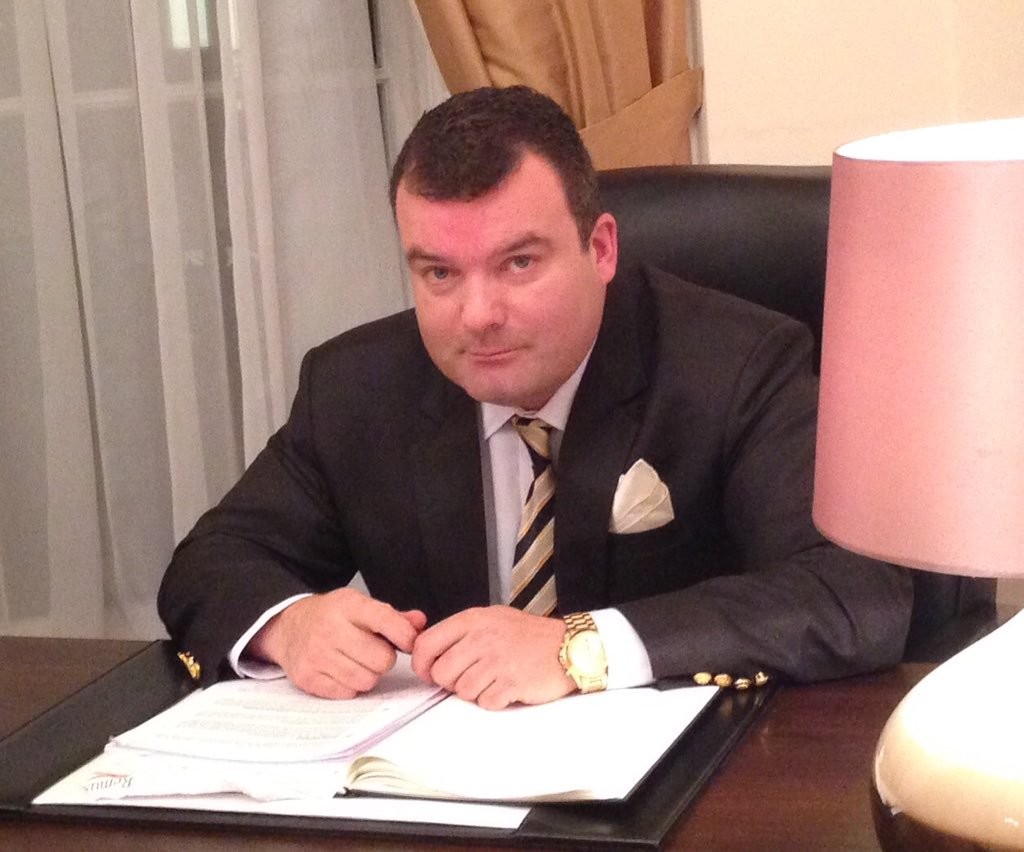
Book a Therapy Session in Enfield with an Experienced Psychotherapist
If you’re looking for a therapist in Enfield, Southgate or Winchmore Hill, you’ve come to the right place. David Kraft PhD is a highly experienced counsellor and psychotherapist who has worked with individuals from all walks of life. With a thriving practice in Harley Street, London, for the past 17 years, Dr David
Kraft now also offers psychotherapy in Enfield for clients seeking professional, confidential, and results-driven support.
Why Choose Psychotherapist, David Kraft?
Dr Kraft brings a wealth of experience and compassion to his work. His approach is:
- Non-judgemental
- Kind and supportive
- Solution-focused
- Tailor-made to meet your specific needs
And David is an expert in his field.
Whether you’re dealing with anxiety, depression, stress, or more complex emotional challenges, Dr Kraft will work closely with you to develop a therapeutic plan designed specifically for your situation.
A Well-Known Psychotherapist in London
As a Harley Street psychotherapist, David Kraft has built a strong reputation in both London psychotherapy and Enfield therapy circles. His clinical work is widely respected for its emphasis on empathy, discretion, and real-world solutions.
Clients appreciate his commitment to creating a safe space where they can explore difficult emotions without fear of judgement. His style is collaborative—together, you will work on overcoming the barriers that prevent you from living a more fulfilling life.
Psychotherapy in Enfield – Focused on You
While Kraft’s credentials and experience speak for themselves, psychotherapy is all about you—your needs, your journey, and your healing. If you’ve been considering therapy in Enfield, it’s likely that you’ve been feeling overwhelmed, stuck, or unsure about how to cope with certain aspects of your life.
You might be:
- Struggling with anxiety or panic attacks
- Feeling low, unmotivated, or depressed
- Experiencing relationship issues or family conflict
- Dealing with work-related stress or burnout
- Coping with grief or loss
- Finding it hard to manage obsessive thoughts or compulsions
- Battling low self-esteem or confidence issues
- Feeling overwhelmed by life transitions such as divorce, relocation, or job changes
- Suffering from phobias or specific fears
- Navigating emotional trauma or past abuse
These are just a few of the areas where therapy can make a profound difference. Dr Kraft uses evidence-based strategies to help you explore these challenges and find a path forward.
Looking for a Therapist in Enfield, Southgate, or Winchmore Hill?
Finding the right therapist can feel like a daunting task. That’s why it’s essential to work with someone who is both highly qualified and deeply attuned to your individual needs.
David Kraft PhD offers psychotherapy in Enfield to individuals who are ready to take the first step toward healing. Whether you’re local to Southgate, Winchmore Hill, or surrounding areas, you’ll receive personalised support in a welcoming, professional environment.
Sessions are available in-person or online, offering flexible options to fit around your lifestyle.
Therapy That Fits You
What sets Dr Kraft apart is his tailor-made approach to therapy. There is no “one-size-fits-all” solution. You are unique—and so should be your treatment. Whether you need short-term therapy to get through a difficult period or long-term support for more complex issues, you’ll be met with compassion, clarity, and expert guidance.
Book a Therapy Session in Enfield Today
If you’re ready to start your journey towards a healthier, more balanced life, now is the time to take action. Dr David Kraft is currently accepting new clients for psychotherapy in Enfield. Booking is simple, discreet, and designed with your comfort in mind.
Don’t wait to feel better. Whether you’re struggling with anxiety, depression, relationship problems or just feeling lost, help is available. An experienced, non-judgemental therapist can make all the difference.
Psychotherapy During the Coronavirus outbreak – London UK

During the period of the coronavirus in the UK, there were a number of people who felt extremely isolated. The elderly, and those who had underlying health conditions, were the worst off because they had to isolate – indeed, they only came out very recently. The implications of being isolated are numerous. People need physical contact and relationships with friends and family and this was not possible during this period; in fact, even now many family members on unable to meet each other.
We are living in a stressful time, and now, more than ever, people need psychological support from a qualified psychotherapist or psychologist. At present, some people still prefer to have sessions on their telephones or on the computer. Some prefer to have telephone sessions while others use Zoom or Skype in order to interact with the therapist. There are others who go to the therapist in person. It is then your choice whether you want to have a session with your mask or without. David Kraft always sits two metres away and leaves a window open in order to reduce risk of transmission. However this is completely your choice.
What the Coronavirus situation has done is to open up opportunities for people to have therapy abroad. David Kraft has a clinic in Harley Street and in Enfield and, apart from exceptions, where people travel long distances for therapy, mainly he treats people who live in and around the West End or people from North London. However, he is now found that people are ringing him from all over the British Isles, including Ireland, Scotland and Wales. And, now, people are starting to ring him from all over Europe. If you would like a session please contact him on (07946) 579645 or email him at dmjkraftesq@yahoo.co.uk.
David Kraft PhD
President Elect, Section of Hypnosis & Psychosomatic Medicine, Royal Society of Medicine
Registered UKCP Psychotherapist
Honorary Secretary, BSCAH Mets & South
Honorary Treasurer, BSCAH National
10 Harley Street London W1G 9PF UK Flat 70, Cosmopolitan Court 67 Main Avenue Enfield Middlesex EN1 1GD
0207 467 8564 (General Enquiries) 07946 579645 (Work Mobile)
Telephone counselling in Enfield during Lockdown

With the present lockdown and restrictions due to
the Coronavirus, now is probably the best time to talk about the importance of
telephone counselling. I have been offering telephone counselling or telephone psychotherapy
for many years now. In the beginning, I utilised this approach for agoraphobics
who were simply too scared to leave the house; I also offered it to another
category of people who were frightened of transport or travelling by car.
Without telephone counselling they would have not been able to recover. The
next stage was gradually to desensitise them so that they were able to come for
regular appointments with me either in Harley Street or at my home practice in
Enfield. A number of clients were able to do this and their therapy moved on
fairly quickly, while others required more intense treatment. There are also those
who are so busy, either at work or at home or a combination, where telephone
counselling is really the best option. Presently, due to the lockdown, all of
my clients either have telephone counselling sessions with me or use some form
of video conferencing. All my clients in town or in Enfield are having session
this way, and this will continue until the lockdown is lifted.
Telephone counselling is just like having a face-to-face session but it is on
the telephone. There were a number of organisations which offer telephone
counselling on the internet; however, at Enfield Psychotherapy, we are very
flexible about setting up telephone counselling sessions. Some like to book 5
to 10 sessions in advance, and they obviously get a discount, what others like
to organise sessions on a weekly basis. There are also those who like to be
more even more flexible than this and they book sessions when appropriate.
Sessions can be booked Monday to Friday from 8 am to 8 pm. I also offer
sessions at the weekend—usually, on Saturdays.
May is World Mental Awareness Month. Celebrities and Royalty have spoken up
about the importance of helping people who are struggling with their mental
health. Indeed, nowadays people are much more accepting about mental health and
really the way to look at it is that everyone has got problems from time to
time. Today, life is very hectic, and creating a balance is very difficult.
Sometimes, it is helpful to speak to a professional mental health specialist
and this can be done conveniently over the telephone. If you are professional,
it is a great way to make time for yourself which is both convenient to you as
well as the therapist. In the therapy, you can talk about whatever you need to
talk about—the past or something that is happening in the present. It is important
in a counselling session to make sure you find a place where you are private,
where you can relax. However, some busy clients even take sessions during a walk,
and this is possible even in Enfield! What is important, is that it is right for
you and that you are comfortable in your surroundings while you talk to your
counsellor. Counselling psychotherapy can help you move on in life and become
more confident both at work and at home. But those who have a specific
psychological problems can deal with this with your psychotherapist over the telephone.
David Kraft is based in Enfield; however, he treats clients from all over the UK, and some people telephone in from abroad.
David Kraft
Appointments: 07946 569645
Enfield Psychotherapy in association with London Hypnotherapy UK
Coronavirus and the need for telephone counselling (part two)
In a previous blog, I pointed out that, during the lockdown phase of the Coronavirus, many people will be in a desperate need to make contact. Some people will be able to cope by sending text messages, emails, or by corresponding with friends and family members using video conferencing programmes. Most people will be missing being able to have a normal conversation with somebody in person—particularly those living on their own—and this, although difficult, is a completely normal reaction. However, there will be a number of people who will require telephone counselling and this is certainly something that London Hypnotherapy UK can offer.
Many existing clients, but also some new ones, have asked about hypnosis, and whether this could be done on Skype or Zoom. As a member of the Ac and Ac Committee of BSCAH, I have thought very carefully about the implications of employing this technique by remote—on the phone, or on some form of video conferencing. After some deliberation, I’ve decided that, actually, it would not be ethical to do hypnosis by remote. The reasons for this are as follows. First, hypnosis is a dual procedure which really should be done in person: one of the most important aspects of hypnosis is the personal touch, and rapport is best established with a person, being present in the situation. Secondly, there is the problem of an abreaction. If someone gets upset, for instance, it might be difficult dealing with this by remote.
However, I do have some solutions to this problem. One approach is to provide clients with an outline of how to do self hypnosis and to get them to practise it at home. Once they have learnt this approach, they can then act out the therapeutic technique—say, a metaphor of some kind—and work through some of the suggestions in a homework hypnosis task. Clients can then go away and practise the self hypnosis and provide the therapist with some feedback at the following consultation. Another technique is to act out hypnosis, in the consulting room, without any sort of induction: they can then practise this skill during the week. This is beneficial for clients because the therapist can provide feedback and give examples of helpful suggestions during the session.
If you’d like to book a telephone counselling or psychotherapy session with David Kraft please phone (0207) 467 8564 or email him at dmjkraftesq@yahoo.co.uk.
For an immediate appointment, please click HERE.
Coronavirus and the need for telephone counselling

We are living in a very difficult time at present. All of us are locked up in some way. The over 70s and the vulnerable are completely locked up and have to rely on others to shop for them: they are housebound and there is little hope of returning to normal life in the foreseeable future. Everybody else can only shop for essentials and get out to do some exercise for a very short period of time. We are all essentially social creatures. Even those who enjoy their own company and people who are somewhat introspective need validation and support from others. We also have an intrinsic need for touch and verbal communication.
Most of us are making every effort to continue relationships in some shape or form using the Internet— specifically by using social media and video conferencing. However, it is not enough. We live in a very stressful age with lots of noises and pressures at work and there has never been a greater need for counselling or psychotherapy. Of course, the waiting list for counselling and psychotherapy was long before the coronavirus hit the world. And now, people can’t get to see their psychotherapist because they are meant to stay at home. However, there are some counsellors and psychotherapists who are offering telephone or video psychotherapy sessions. If you would like an appointment, please ring 0207 467 8564 or email David at dmjkraftesq@yahoo.co.uk.
#EnfieldPsychotherapy #enfieldcounselling #enfieldpsychologist #enfieldpsychotherapist #MINDinEnfield #mentalhealthenfield #anxietyenfield #psychologicalhelpinenfield #psychologicalsupportfornursesnorthlondon
ENFIELD PSYCHOTHERAPY
Enfield Counselling Local Link: http://www.londonhypnotherapyuk.com/glossary-enfield-counselling-and-hypnotherapy-local/
David Kraft PhD
Registered UKCP Psychotherapist
10 Harley Street
London W1G 9PF UK
Flat 70, Cosmopolitan Court
67 Main Avenue
Enfield
Middlesex
EN1 1GD
0207 467 8564 (General Enquiries)
07946 579645 (Work Mobile)